
How Urban Gardens and Aquaponics Promote Food Sovereignty in Pierce County
Updated: Oct 14
Late summer sunlight filters through Tacoma's side streets, lighting up raised beds where neighbors tend collards, snap peas, and strawberries. More families in Pierce County now recognize that access to nourishing, hometown-grown food rests at the heart of true independence - especially as supply chain snags or rising prices pinch grocery budgets. For many, traditional retail has never filled every need; fresh produce can feel distant, both in miles and in meaning. Yet between apartment balconies crowded with planters and classrooms humming with aquaponics experiments, a movement flourishes. Goreala Enterprises LLC and GoReala's Jungle bring together families, schools, and local groups to transform small urban plots into thriving food sources and science labs. Growing your own food becomes not just possible, but powerful - opening practical steps to reclaiming food sovereignty for all.

Why Food Sovereignty Matters: Local Challenges, Local Solutions
Food sovereignty in Pierce County represents more than the ability to eat enough; it's about the freedom to decide how our families and communities nourish themselves, drawing from both lived experience and local wisdom. Unlike food security - which asks only if food is present - food sovereignty asks: who decides what that food is, how it's grown, and whose hands have shaped it? This distinction matters. Food sovereignty uplifts cultural traditions and community resilience while developing skills that last beyond a single growing season.
Local statistics shape the story. Before the spring rains of 2023, families in central Tacoma waited forty minutes just to buy fresh greens at a mobile pop-up market - the closest affordable produce in their neighborhood. The next week, a neighbor shared sweet peas and collard greens bursting from her home plot, harvested steps from her door. In South Hill, a school garden grew enough cilantro and kale to send handfuls home in students' backpacks for the first time, letting grandparents enliven cherished recipes. These instances underline two challenges: limited access to healthy grocery options for many Pierce County residents and a separation from food traditions enriched by ancestry and memory.
Accessible Growing as Local Solution
Urban gardening in Pierce County continues to transform backyards, church lots, apartment courtyards, and public spaces into vital lifelines. These places produce more than vegetables - they cultivate trust and shared purpose. A raised garden bed built between neighbors often prompts conversations about seeds, recipes, pest remedies, and plant lore drawn from many cultures. Community gardens remove fixed boundaries; they invite collaboration among people who once passed one another by.
Aquaponics education in WA now puts soil-less growing within reach of anyone curious enough to try nutrient cycling with fish and leafy greens - even inside basements or repurposed garages. Families with limited outdoor space learn hands-on science while raising tilapia alongside lettuce within easy view of the dinner table. Such systems lower barriers; children witness daily miracles as food grows right before their eyes, reinforcing both wonder and agency.
Connection: Participants rediscover foods tied to their heritage - or try new ingredients for the first time - through shared space and regular harvests.
Resilience: Learning how to plant and maintain a garden or aquaponic setup gives families practical tools which expand their choices in uncertain times.
Self-determination: Choice returns to the household and community - how to plant, what to grow, whom to feed - fostering confidence, leadership, and independence.
Programs like those offered by GoReala's Jungle build on these strengths for all abilities and backgrounds through equitable access, culturally responsive teaching, and hands-on workshops. Each bed turned over and tank established is one step closer to self-reliance - rooted not in theory but in direct action by people determined to reclaim the rhythms of their own nourishment.
Urban Gardening in Action: Cultivating Community and Confidence
Morning dew clings to the edges of kale leaves at GoReala's Green Thumb Garden, where raised beds rest wide enough for any walker or wheelchair to pass with dignity. Here in Tacoma, a mosaic of community plots and backyard corners buzzes with hands in the soil - elders dropping bean seeds alongside children carrying small watering cans emblazoned with their names. These vibrant settings, whether sunlit balconies studded with planters or the shared heart of a church lot, show what Urban Gardening Pierce County means in practice: abundance built by neighbors, barrier-free.
GoReala's team planned every detail of the ADA-accessible Green Thumb Garden with inclusivity at its core. Wide paths let folks of all mobilities tuck strawberry runners into rich compost or kneel at a squash vine. Each new participant is greeted not as a visitor but as another steward of this living landscape. Language lines don't divide; signs appear in multiple scripts and experienced growers coach newcomers through timeworn wisdom and innovations drawn from many backgrounds. This culturally responsive teaching means Hmong gardeners' bitter melon and Black elders' pole beans climb side by side, each harvest feeding stories that mix heritage with new friendships.
Inside these spaces, learning begins with observation and often leads to hands muddying up together. A family plants radishes - watching how sun and rain transform seed to root in under a month - while across the row, a retired nurse teaches teens how to brew comfrey tea for strengthening tomatoes. Participants try, fail, adjust, and try again as composting yields new life and insects demand clever responses. Those first carrots plucked or single perfect turnip grown build more than a meal. They build growing confidence - a shift visible in posture and voice when gardeners share extras at GoReala's neighborhood produce stands or teach peers how to use fabric grow bags in tight patios.
Aquaponics education WA adds another dimension of possibility for limited space or mobility. In GoReala's after-school program, youth set up nutrient-rich tanks where tilapia swim beneath floating rafts of lettuce and basil. The tactile rhythm of checking pH levels or measuring feed anchors science lessons - the marvel comes when young participants taste that first salad from their aquaponics system and connect abstract knowledge to something sprung from daily care.
Skill-building for All Ages: Parents practice crop rotation next to teens tracking nitrogen cycles on tablets. Volunteers trade pruning tips over the fence while primary schoolers tally seedlings during snack breaks.
Youth Empowerment: Through GoReala's Jungle leadership programs, middle and high school students take charge: hosting Saturday markets, facilitating composting workshops, or organizing seed swaps that bypass cost barriers entirely.
Mentorship Across Generations: Older members model grafting or pest identification; youth guide smartphone documentation, tracking garden progress through photos and apps.
Entrepreneurship Sparked by Engagement: Students develop micro-enterprises growing specialty peppers or making herbal balms - earning pocket money and learning business basics rooted in practical stewardship.
The best measure comes not just by the pound of produce gathered but in smiles exchanged as baskets pass between hands - each carrying pride mingled with remembrance and hope. Through Pierce County community gardens, aquaponics workshops, after-school programs, and open volunteer days, GoReala ensures food sovereignty takes root in both action and belonging. The lesson moves outward: everyone deserves access to fresh food - and the means to grow it with confidence beside neighbors, across years.
Aquaponics: Sustainable Food Production for Urban Spaces
Aquaponics answers a practical question many city dwellers face: how do you grow real food when soil, space, or sunlight are scarce? At its core, an aquaponics system supports fish and edible plants together within a closed loop. Fish waste provides nutrients for the plants, while the plants filter water that flows back to the fish. No chemical fertilizer is needed; recirculating water uses a fraction of what soil gardens demand. Heat and weather outside matter less - leaders at GoReala's Jungle keep kale, basil, and cherry tomatoes thriving under lights long after frost claims the neighborhood beds.
For a first-timer, aquaponics may sound daunting. That's where GoReala's programs make a difference. In Tacoma community centers, families learn by watching hands-on demos - a clear-sided tank bubbling with tilapia, pipes feeding floating lettuce rafts, every pump and net explained with calm, step-by-step guidance. Workshops focus on experimentation with accessible setups: tabletop systems built from recycled totes or small modules fitted for apartment balconies. Participants see the cycle with their own eyes, from fingertip-sized seedlings to salads on the plate. Aquaponics education WA becomes more than theory; it's immediate, interactive, and alive.
Making Aquaponics Work for Families and Schools
Year-Round Harvests: Indoor systems ignore the abrupt end of growing season. GoReala's after-school classes harvest basil and salad greens in mid-winter - even when heavy rain sheets down outside.
Water Conservation: Every drop flowing through an aquaponics tank is reused; some local systems run on less than ten percent of the water needed for traditional gardening per crop harvested.
Compact Productivity: Sawdust-lit garages or bright corners in mobile classrooms become fertile food sources. GoReala consults with schools wishing to demonstrate not only plant biology but self-reliance on limited ground.
Youth leadership shines in GoReala's teen-run tank-building labs. A crew member mentors younger students as they monitor fish health and chart growth rates across different light cycles - practical science tied directly to lunchbox variety at week's end. Parents report that shared responsibility for "the system" improves confidence and offers comfort to children living in food-insecure neighborhoods; everyone has something tangible to offer each week. Adults with mobility challenges attend small-group sessions or virtual seminars designed around adaptive tools and easy maintenance tricks for tighter spaces.
Organizational partnerships are growing fast - a nearby transitional housing organization asked GoReala to help design an aquaponics pilot providing fresh produce without store trips or waiting lines. Through consulting on simple build-outs and instructional support, GoReala embeds food sovereignty programs WA-wide in settings where fresh harvests once seemed out of reach.
This work in Pierce County reveals possibilities far beyond novelty. Aquaponics opens new paths to food independence and environmental stewardship regardless of ability, income, or age. Each system started becomes a node - a neighborhood touchstone carrying forward skills and sustenance that last far beyond any single growing season.
From Skills to Systems: Building Lasting Food Independence
Goreala Enterprises LLC in Pierce County takes urban gardening and aquaponics beyond personal growth, linking individual hands-on skills to wider systems of change. When a grandmother masters trellising beans and shares extra seeds with her apartment complex, the impact spreads generation to generation. Youth prompted by their first solo harvest soon teach siblings and cousins; new faces join community beds, contributing knowledge from Mexico, Vietnam, Somalia, or South Tacoma's own alleys. Teaching how to set up an aquaponics system does more than put salad on the table - it creates circulation routes for hope and agency, as participants mentor each other and spark conversations about local food justice at kitchen tables and library club meetings alike.
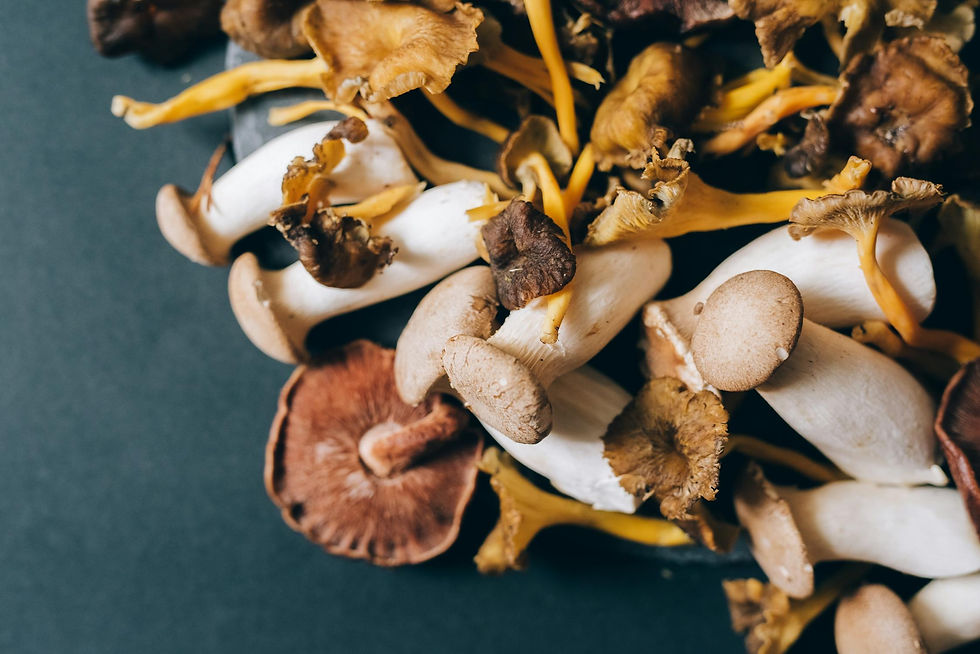
This ripple effect anchors GoReala's dual mission. Fees from guided mushroom walks, ecological consulting gigs, or corporate nature retreats directly support GoReala's Jungle - fueling free garden plots built for wheelchair access, youth stipends for leading after-school classes, and spontaneous weekend cookouts where families swap collard cakes and fish stew beside Yince squash towers. The partnership between enterprise and nonprofit unlocks opportunities: local school districts host aquaponics education WA-wide after piloting a tank at a GoReala program; teens who started as garden interns hire on as peer educators or earn micro-grants to launch curbside plant vehicle projects. City administrators observing these outcomes now cite GoReala to other neighborhoods as a model for measurable systems change - not just isolated home gardens but connected zones feeding into each other through support networks, pop-up produce stands, and regular "skill-share" nights that elevate overlooked expertise.
Markers of Systems-Level Success
Leadership rises organically: Several youth have moved from volunteer sign-ups to co-facilitating bilingual compost workshops or managing bulk seed orders for neighbors shut out from traditional retailers.
Workforces reflect the neighborhood: Past adult participants - once isolated by language barriers - now moderate weekend market tables, bridging cultures through culinary dialogue and crop swaps.
Employment evolves from engagement: The volunteer-to-employee pathway means that energy spent spreading mulch or troubleshooting pump clogs turns into real wages improving household stability - and new positions developed specifically for those with lived experience in housing precarity or disability.
Civic partners seek collaboration: Requests now flow in from housing providers, senior services, and workforce development groups seeking GoReala facilitation or design input because the approach results in tangible food sovereignty programs WA communities trust.
Testimonies speak for this shift. An uncle sent to drop off a childcare snack watched his niece explain pH balancing at an aquaponics stand; now he rotates between cleaning fish tanks and mentoring others after work. One high schooler who organized a Thai chili seedling giveaway with GoReala later received city recognition for youth civic service - and lined up three neighbors to co-author a small grant expanding their courtyard garden into fall greenhouse production.
Through practical support underpinned by inclusive strategy, GoReala stands out among Urban Gardening Pierce County networks for refusing charity models in favor of shared stewardship. This means every market purchase, tour reservation, or workshop registration becomes active investment: empowering not just one table but building a new local food system - by us, for us. The invitation is simple but far-reaching: bring what you know, take what you need, and help rebuild food independence as common ground - no matter your age, language, or background.
Urban gardens and aquaponics systems in Pierce County nourish more than bodies - they awaken autonomy, deepen roots of community, and forge practical pathways to resilience. Each new garden bed and thriving tank brings neighbors face to face with food independence, restoring decisions about what is grown and who benefits. Goreala Enterprises LLC, grounded in Black-owned leadership and a deep understanding of Pacific Northwest ecology, guides participants through immersive, accessible education - where ADA-friendly spaces and culturally mindful instruction welcome all. Meanwhile, GoReala's Jungle directs resources to youth mentorship, community plots, and innovative wellness programs where every hand finds purpose. Join this movement: reserve a guided tour, enroll in hands-on workshops, volunteer in local projects, or connect for consulting. Every action with GoReala helps nurture a future where food sovereignty is possible for all - and where anyone can help plant the next seed.


Comments