
Beginner's Guide to Foraging in the Pacific Northwest: Safety, Ethics, and Best Practices
Updated: Oct 14
Quiet mornings in the Pacific Northwest hold more than mist and birdsong - they invite discovery, resilience, and deeper belonging. Every patch of moss, every stand of salmonberry conceals stories and sustenance shaped by generations before us. Goreala Enterprises LLC joins this tradition from Spanaway, offering outdoor recreation and education crafted for individuals, families, and communities seeking more than pass-through experience. Its team, grounded in Washington ecology and community engagement, guides beginners through the forests of Pierce County with an approach that blends practical skill-building and environmental care.
GoReala's Jungle extends these pathways into everyday life, shaping youth leadership after school while making urban gardens, aquaponics, and wellness accessible - from elementary classrooms to senior centers. Both arms work in tandem so everyone, regardless of background or ability, can engage - whether harvesting nettles down the block or learning to steward native mushrooms in hidden woodland patches. The hands-on guide you hold now exists because foraging remains both personal craft and collective responsibility; its best practices keep all safe while restoring connections long forgotten between land and neighbor.
Understanding safety rules, local laws, and the ethics of respectful harvest is not only about learning names of wild foods - it is about empowering each person to step outdoors with confidence. This guide opens those doors: toward food knowledge rooted in place, practices that nourish community bonds, and acts of stewardship that ripple much further than any single meal could reach.

Discovering Foraging: A Gateway to Nature and Community in the Pacific Northwest
For many beginners, curiosity about foraging in the Pacific Northwest comes as a whisper: What lies hidden beneath the moss, along the creek, or at the margins of a familiar trail? In Pierce County and across the PNW, that whisper calls louder every year. Food security, wellness, and a longing to reconnect with land draw people into ancient rhythms - reminded by stories from elders, neighborhood gardeners, and the resurgence of local knowledge amid uncertain times. This region's forests, meadows, and coastlines offer both abundance and complexity, hosting a stunning array of Pacific Northwest edible plants alongside wild mushrooms unfurling in old-growth woodlands. These gifts echo generations of Indigenous stewardship and weave together traditions from many communities who have made their homes here.
Goreala Enterprises LLC operates out of Spanaway as a leader in outdoor education for the South Sound and greater PNW. Guided foraging tours through Goreala bring together neighbors, families, and would-be foragers from all backgrounds in accessible learning environments - an open invitation for those new to identifying, harvesting, or preparing wild foods. Expertise grounds each excursion, blending regional plant knowledge with foraging safety and an unwavering focus on food ethics drawn from years of practice throughout the Cascade foothills and Salish lowlands. Every program - whether a woodland walk or hands-on workshop - uplifts participants with practical skills while nurturing connection and respect among people and place.
This guide offers more than identification tips or seasonal lists. Each page aims to demystify safe, rewarding foraging while championing ethical harvests as powerful acts of stewardship. Expect clear guidance so that your first outing - or your fiftieth - builds both confidence in recognizing wild bounty and a sense of empowerment rooted in community well-being.
Foraging Fundamentals: Safety First for Newcomers
Stepping outside to forage wild foods can stir excitement - and anxiety, especially for those new to reading the forest's language. Safety comes up in nearly every conversation I've had with families and first-time participants, whether in a sun-speckled field or circling a patch of morels. The Pacific Northwest rewards curiosity but does not tolerate carelessness; our beautiful forests and meadows shelter edible treasures as well as plants that look promising, yet conceal risk.
Fresh foragers encounter three core hazards: misidentification, toxic lookalikes, and fast-changing environmental conditions. The confident flash of a doppelganger leaf or mushroom can, in an instant, raise the stakes from simple mistake to medical emergency. Storm-felled branches or hidden creeks sometimes challenge navigation or access even in spots you think you know.
Grounded instruction holds space for caution alongside curiosity. For folks brand new to the land - or whose families never had wild-gathering traditions - the knowledge gap often feels daunting. In our guided foraging tours across Pierce County and the Pacific Northwest, Goreala Enterprises LLC meets fear head-on by making each trip as much about recognition of limits as about discovery. Early on, we build rituals that echo best practices:
Always forage with an experienced guide on introductory outings. Our tours pair each family or small group with educators who know this region's plants, fungi, and animal behaviors inside out.
Use visual aids and field-tested ID resources: We bring laminated sheets, photo-rich guides, and phone apps - but reinforce that no single tool replaces careful observation under guidance.
Seek cross-confirmation on every find: Two (or three) sources for every mushroom or berry picked - never relying on memory alone. Doubt means leave it be.
Honor legal boundaries and local regulations: We research park rules together; some wild areas prohibit any harvest, while others offer only certain species within posted limits. This learning serves double duty: it keeps families safe and plants protected for future seekers.
The most hesitant beginners - parents nervous about letting kids taste or students stepping off busier urban streets - find foundation in these shared safety protocols. I remember one six-year-old who spent most of her first woodland walk gripping an illustrated ID card tighter than her rain jacket zipper, eyes wide at stories about both edible huckleberries and their "not-for-eating" neighbors. By hour's end, she recognized not just color and shape but context: which plants grew together, which environments signaled caution.
This attention to method is designed for real lives with real hesitations - as much for urban teens unsure of their trail footing as retirees seeking new skills closer to home. Many participants share afterward that Goreala's fieldwork doesn't just answer questions about foods they can safely sample; it replaces anxiety with stewardship rooted in practical confidence. Each person leaves better able to navigate risks while building kinship with place - a foundation vital for later growth in food ethics and environmental responsibility.
Ethical Foraging: Stewardship, Respect, and Community Connection
Harvesting wild foods becomes much more than a matter of identification or personal safety the moment hands reach toward a salmonberry or foot crosses a patch of miner's lettuce. For many in our Guided Foraging Tours Pacific Northwest, this moment signals entry into a living web shaped by respect, reciprocity, and responsibility. At GoReala, we center the idea that foraging is an invitation - not just to gather but to engage, serve, and sustain both land and community.
Ethical foraging begins by recognizing that these places carry history far deeper than any single outing. Much of the lushness we marvel at today comes from generations of Indigenous stewardship; fields managed for huckleberry, forests shaped by wise gathering, meadows kept open so camas could thrive. Our work honors these traditional teachings as well as present-day guidance from tribal and local experts.
Practices That Ground Ethical Foraging
Ask permission and follow boundaries: Always secure clear consent before stepping onto private or tribal lands. Teach youth that traditional foods belong not just to the plant but to the people who have tended them with ceremony and care.
Harvest only what you need, leave some for all: Instruct every participant - child or elder - to take less than a third from mature patches and leave enough so seeds scatter, roots regrow, and wildlife eats well after our group has left.
Learn the stories behind plants and places: Share histories: how nettle once clothed ancestors, the ways local Salish families managed wild onions, why coastal strawberries return in new places after fire or flood. Naming these stories builds ties that run deeper than any field guide could offer.
Youth in GoReala's after-school programs bear witness to the power of reclaiming traditional skills. I recall a Tacoma teenager who led her grandmother back to harvest burdock leaves for cooking - a reversal from her usual role as city-dweller worried about doing right by land she barely knew. In our groups, elders share recipes and protocols; urban students lead mapping projects to track plant recovery after harvest; immigrant families reconnect with lost flavors while safeguarding resources for their neighbors. This intergenerational exchange rewrites what food sovereignty means - food as inheritance, land as relative, not commodity.
By rooting foraging in stewardship and food ethics rather than extraction, GoReala's approach shapes resilient leaders. It calls forth gratitude and equity: putting back as much as we take, amplifying voices too long sidelined in land access debates, turning every foraged meal into a small act of restoration. No participant leaves untouched by this ethic - woven through laughter over wild berry scones shared along the trail or the quiet pause before plucking a camas flower - always asking what it means to belong, together.
Getting Started: Regional Edible Plants and Mushrooms for Beginners
The forests and fields of Pierce County greet beginners with a feast for the senses - when you learn what to look for. As weeks of sunlight stretch and autumn showers return, certain wild foods become both accessible and memorable for those setting out on their first forage. Hands-on identification remains the safest entry; even the most vivid field guide pictures cannot substitute for peering beneath cool leaves with someone who knows these woods.
Easy-To-Identify Edibles: Taste and Season
Salmonberries: Their golden-orange to deep red fruits begin ripening along damp creek beds just as spring tips into summer. They grow on tall, thorny canes beneath red alder and cedar. Glance for soft, fuzzy leaves in clusters of three and blossoms ranging from delicate pink to magenta. Pluck berries gently; enjoy them raw on a walk or sprinkled over pancakes.
Huckleberries: Late summer through early fall brings clusters of dark blue or red berries nestled among shiny, elliptical leaves. They thrive along trails under Douglas-fir and western hemlock, often in shade patches near ridge lines. Listen for the quiet joy when sharing these tart, sweet berries fresh, or simmered into syrup with friends.
Miner's Lettuce and Other Native Greens: In moist forest clearings from early spring onward, look for low rosettes of bright green leaves (miner's lettuce has an almost circular leaf pierced by a single stem). Taste is mild and crisp - delicious tucked into sandwiches or tossed in salads. Always confirm there's no bitter smell or milky sap, which can indicate unsafe lookalikes.
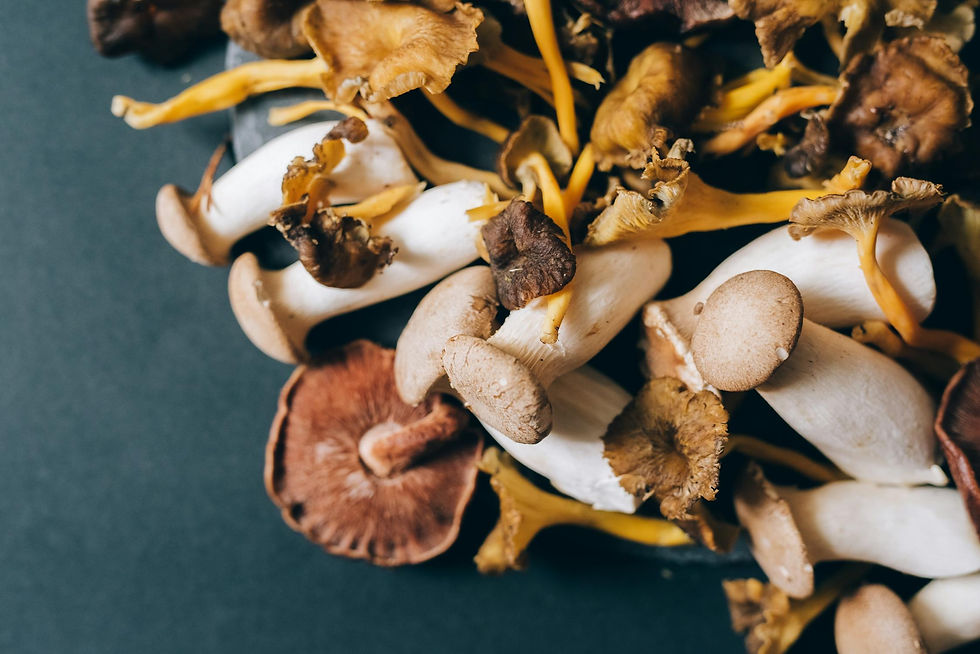
Mushrooms for Beginners: Morels emerge with the warmth of late spring, showing ridged, honeycomb caps atop stout stems; they prefer old fire sites or loamy riverbanks. Chanterelles light up the forest floor in orange-yellow hues as October rains arrive, often peeking from moss near root mats. Oyster mushrooms cluster on fallen branches - cream to gray in color, their shelf-like shapes are unmistakable after a rain shower. Always consult an experienced guide before eating any mushroom. Simple sautéing in olive oil lets flavors shine without distraction.
Trouble comes when curiosity tempts hands toward plants that mimic true edibles - every year I meet folk who nearly mistake wild nightshade berries for huckleberries or confuse false morels with safe species. Walking at your side during a guided foraging tour with GoReala Enterprises LLC makes all the difference: direct mentorship means reliable identification, hands-on safety checks, and lived context beyond what books supply.
GoReala's foraging classes welcome participants of every experience level - including those whose introduction to wild food feels years overdue due to access barriers or limited mobility. Our guided tours throughout the Pacific Northwest pair practical skills-building with attention to comfort; ADA-accessible routes and culturally responsive teaching ensure everyone goes home not only with safe harvest techniques but belonging in mind and body. Harvest stories ripple through our groups - a grandmother rediscovering nettles welcomed by her grandchild's hands, a newcomer beaming at their first wild mushroom find.
In every class or woodland walk led by GoReala guides, care flows into every lesson: how to read habitat clues, season each harvest with gratitude, savor local food together - and gain the confidence to explore further while anchored in safety and food ethics rooted right here.
Empowerment Through Foraging: Building Skills and Resilient Communities
Transformation starts on the ground - fingers brushing damp ferns, laughter echoing as families kneel to unearth spring miner's lettuce. Over time, these simple moments form the core of something bigger. Regulars in GoReala's guided foraging tours share how initial uncertainty - "Is this safe? Can I trust my own judgement?" - grows into lasting assurance. Familiar plants such as salmonberry and oyster mushroom become markers not only of season but of hard-won skill, of confidence that spreads to every footstep on the trail.
What shifts when you join a foraging class or community outing? First, food becomes accessible in ways stores never teach: urban youth learn to find edible greens in overlooked parks; parents discover that wild harvest offers a healthy grocery alternative, bringing home ingredients for nourishing soups and summer jams. When gathered safely, Pacific Northwest edible plants connect households with affordable food traditions long missed in busy lives.
Empowerment does not stop with individual knowledge. Each engagement with GoReala Enterprises LLC means new pathways open - especially for youth and families usually sidelined from outdoor learning. In classroom gardens and forest edges, young people teach siblings safe harvests, then translate those discoveries into school projects or neighborhood meals. ADA-accessible gardens and hands-on workshops extend the invitation citywide; participants with disabilities report newfound belonging and agency in spaces once closed to them.
Tangible Impacts: Moving from Self-Reliance to Shared Strength
Youth who begin hesitant soon take lead roles: mapping mushroom patches on park trails, presenting foraging safety tips at wellness fairs, guiding peers with clear-eyed care rather than fear.
Families rediscover intergenerational bonds collecting huckleberries side-by-side; evenings spent cooking together replace screens for a week - or sometimes a summer.
Community members - staff, volunteers, first-time explorers - instruct newcomers in food ethics and safe identification, building a culture of stewardship where collective wellbeing matters as much as the meal at day's end.
Every booking or workshop passes the torch further. Revenue from tours sustains nonprofit efforts like after-school leadership labs, jogs progress on ADA-accessible urban gardens, seeds wellness initiatives reaching across Spanaway and beyond. Success is measured as much by students' stories - an eldest child teaching her neighbors resilient recipes; a father describing pride as his daughter leads their group - as by full baskets at harvest time.
Whether you are new to wild foods, seeking practical tips for group outings, or looking to embed sustainability in your school or workplace, GoReala's doors open wide. Book a guided foraging tour Pacific Northwest style, enroll in a hands-on class, or reach out to collaborate - the skills you build spark change that feeds minds, bodies, and neighborhoods alike.
Safe, ethical foraging in the Pacific Northwest unlocks more than the harvesting of wild foods - it creates bridges between people, seasons, and the shared landscapes we call home. When you learn to approach each woodland path with alertness and respect, nature offers not just abundance but a gentle reminder that everyone has a place amid cedar groves and berry thickets. Foraging this way becomes a force for transformation; it grows self-reliance while deepening bonds of community in Pierce County and throughout the region.
With experienced guidance from Goreala Enterprises LLC and the inclusive resources of GoReala's Jungle, even those who once felt like outsiders in wild spaces soon find themselves confident: identifying salmonberries beside new friends or tracing edible greens along access-friendly trails. These efforts ripple outward - funds from tour registrations help expand programs for youth, bolster accessible garden projects, and support the cultivation of food sovereignty across urban and rural communities.
Clear Next Steps Toward Your Foraging Adventure
Browse the online calendar for upcoming guided foraging tours, introductory classes, and family workshops - each designed for all levels and backgrounds.
Contact the GoReala team if you have questions about accessibility or wish to inquire about youth and community programs.
Subscribe to the newsletter for future updates, local harvest highlights, and seasonal tips tailored to PNW foragers.
Share your interest or discoveries on social media using stories and images that reflect your personal connection with these lands.
If your organization seeks collaboration or custom programming - reach out to explore partnership opportunities that support equity and learning for everyone.
Every step you take into this community - whether as a participant or supporter - adds strength to a larger movement for sustainability and inclusion. Guided by GoReala's enthusiasm for making nature's wisdom accessible, your journey enriches not only your knowledge and wellbeing but also advances an enduring mission for empowerment across generations in the Pacific Northwest.


Comments